

Pakistan holds one of the most important yet often overlooked chapters of Buddhist history. Long before modern borders existed, this land formed the heart of the ancient Gandhara civilization, where Buddhism flourished for centuries. Today, Buddhist tourism in Pakistan is steadily gaining global attention as travelers rediscover sacred monasteries, temples, and archaeological treasures spread across the country.
For international visitors, especially from Europe and East Asia, Pakistan offers an authentic, uncrowded, and deeply spiritual experience. Moreover, with improved infrastructure and open tourism policies, religious travelers now find it easier than ever to explore these sacred lands.
 Why Buddhist Tourism in Pakistan Matters Globally
Buddhism arrived in the region around the 3rd century BCE under Emperor Ashoka. Since then, Gandhara became a major center of Buddhist learning, art, and pilgrimage. As a result, Pakistan today hosts some of the oldest Buddhist sites in the world.
At the same time, global interest in religious tourism in Pakistan is increasing. Travelers seek meaningful journeys, historical depth, and spiritual connection—elements Pakistan offers in abundance.
Key reasons why Buddhist tourism in Pakistan is rising:
- Ancient Gandhara heritage preserved across multiple regions
- Authentic Buddhist sites untouched by mass tourism
- Government support for international religious tourism
- Improved access, visas, and guided tour services
Does Pakistan Have Tourism? A Clear Answer for International Travelers
A common question among global travelers is: does Pakistan have tourism?
The answer is yes Pakistan’s tourism sector is open, active, and growing.
In recent years, Pakistan has:
- Simplified visa processes for international visitors
- Improved road access to heritage and mountain regions
- Enhanced site preservation with international cooperation
Unlike some destinations where religious sites are heavily commercialized, Pakistan offers a quieter and more respectful environment for spiritual exploration.
Exploring the Gandhara Civilization: The Heart of Buddhist Heritage
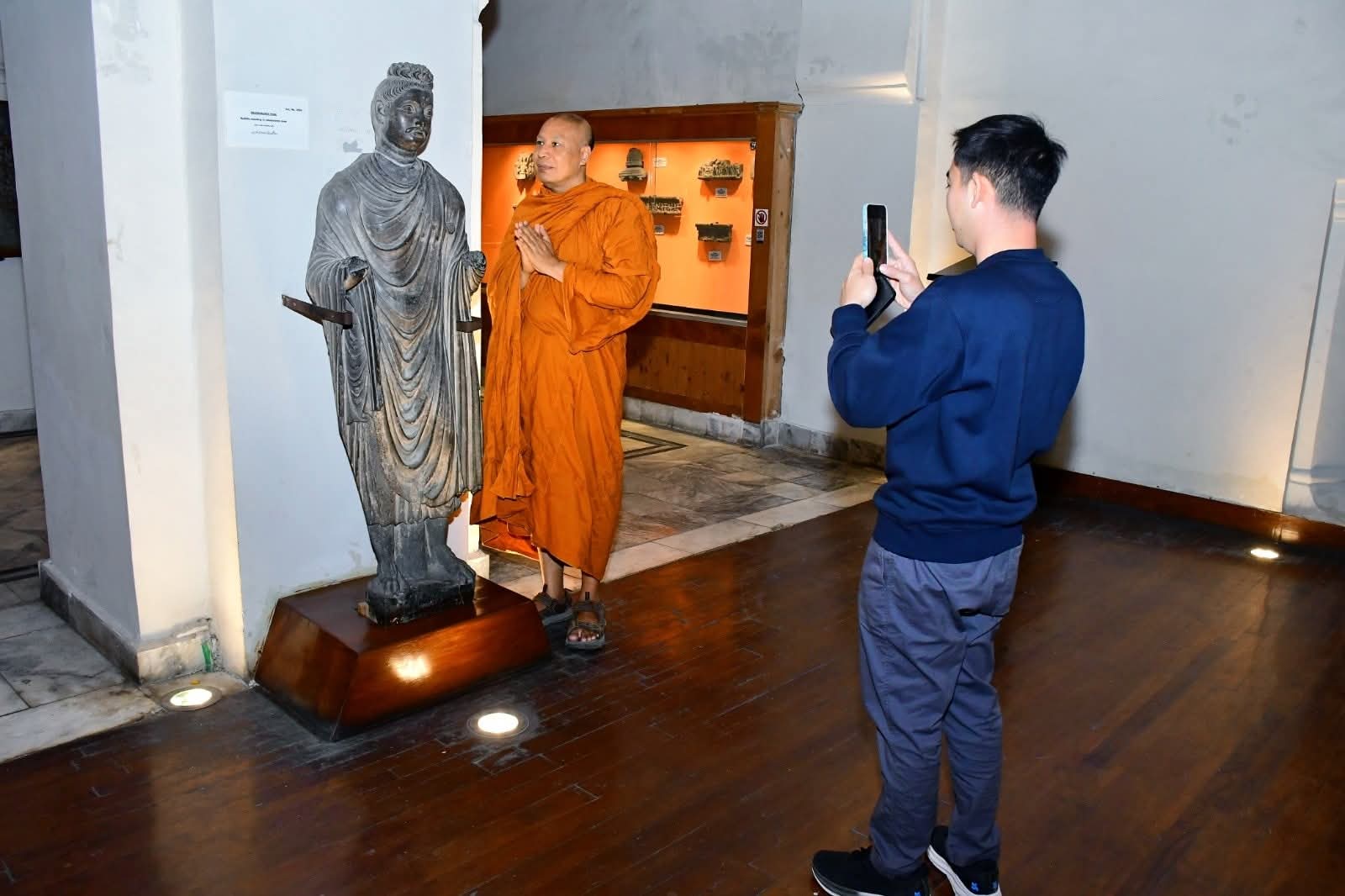
The Gandhara region stretched across present-day Khyber Pakhtunkhwa and northern Punjab. It became famous for blending Greek and Buddhist artistic styles, giving birth to iconic Buddha sculptures.
This region produced:
- The earliest human representations of Buddha
- Renowned Buddhist universities and monasteries
- Trade routes connecting South Asia, Central Asia, and China
Today, Gandhara forms the backbone of Buddhist tourism in Pakistan and attracts historians, monks, and spiritual travelers alike.
Most Important Buddhist Sites in Pakistan
Pakistan hosts dozens of remarkable Buddhist locations. Below are some of the most significant Buddhist sites in Pakistan that international travelers actively seek.
Taxila – A UNESCO World Heritage Site
Taxila served as a major Buddhist learning center for centuries. Visitors can explore:
- Dharmarajika Stupa
- Jaulian Monastery
- Sirkap archaeological ruins
Takht-i-Bahi Buddhist Monastery
One of the best-preserved Buddhist monasteries in Pakistan, Takht-i-Bahi sits on a hilltop near Mardan. It offers:
- Stunning architectural remains
- A peaceful spiritual atmosphere
- UNESCO World Heritage status
Swat Valley – The Ancient Uddiyana
Swat was once known as Uddiyana, a sacred Buddhist land. Today, it features:
- Buddha statues carved into cliffs
- Ancient stupas and meditation sites
- Rich archaeological museums
Peshawar and the Kanishka Legacy
Peshawar was the capital of the Kushan Empire. It played a key role in spreading Buddhism across Asia and remains central to religious tourism sites in Pakistan.
Buddhist Temples and Monasteries in Pakistan
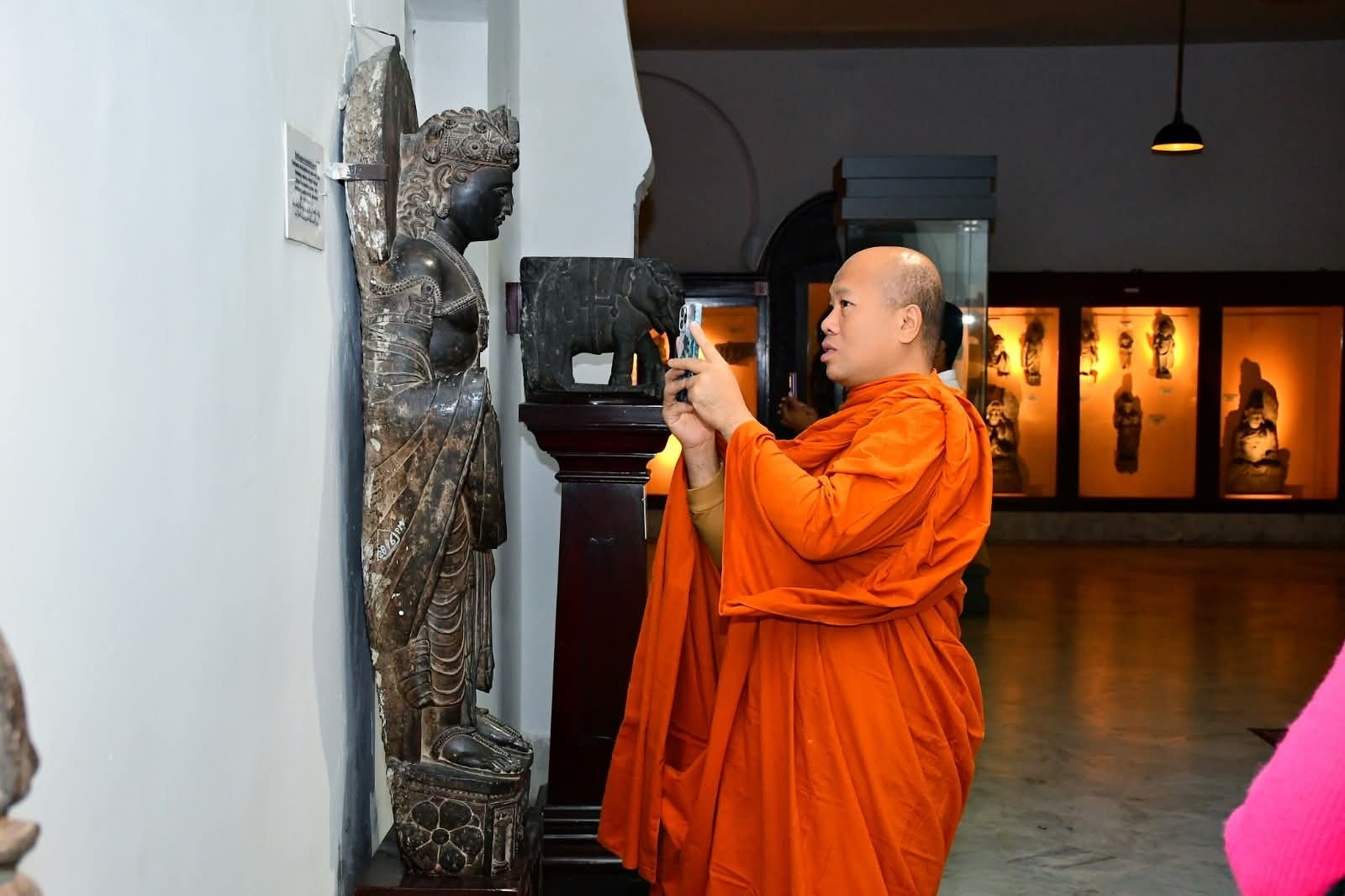
Although most structures are archaeological, many Buddhist temples in Pakistan still reflect their original spiritual purpose. Monasteries served as centers of learning, meditation, and pilgrimage.
Notable examples include:
- Jaulian Monastery (Taxila)
- Butkara Stupa (Swat)
- Mohra Moradu Monastery
These sites attract monks, researchers, and spiritual travelers seeking historical authenticity rather than reconstructed temples.
 Religious Tourism in Pakistan Beyond Buddhism
Pakistan is not limited to Buddhist heritage alone. It is one of the world’s most diverse destinations for religious tourism in Pakistan, hosting sacred sites for multiple faiths.
Religious travelers can explore:
- Buddhist monasteries and stupas
- Sikh sites such as Nankana Sahib and Kartarpur
- Hindu temples in Sindh and Punjab
- Islamic heritage spanning centuries
This diversity makes Pakistan a unique destination for faith-based travelers worldwide.
Is Tourism Open in Nepal vs Pakistan? A Comparison
Many travelers ask: is tourism open in Nepal, and how does it compare to Pakistan?
While Nepal remains popular for Buddhist and Himalayan tourism, Pakistan offers:
- Less crowded heritage sites
- Older Gandhara-era Buddhist remains
- Stronger archaeological authenticity
Both countries are open to tourism. However, Pakistan provides a more immersive historical journey for travelers interested in ancient Buddhism rather than modern pilgrimage centers.
Planning a Buddhist Heritage Tour with Jasmine Tour
Exploring Buddhist places independently can be challenging due to remote locations and limited public transport. This is where Jasmine Tour adds value.
Through guided cultural tours, travelers gain:
- Expert local guides with Gandhara knowledge
- Seamless transport between Buddhist sites
- Cultural context and historical interpretation
You can explore customized heritage itineraries directly via
www.jasminetours.com
 Conclusion: Rediscovering a Sacred Past
Buddhist tourism in Pakistan offers a rare opportunity to walk through the origins of Buddhist civilization. From ancient monasteries to Gandhara art, Pakistan preserves a spiritual heritage unmatched in authenticity. For travelers seeking history, faith, and depth, Pakistan stands ready to welcome the world.
If you are planning a meaningful journey through ancient Buddhist lands, Jasmine Tour can help you experience Pakistan’s sacred heritage with comfort, insight, and trust.
 Frequently Asked Questions (FAQs)
Is Buddhist tourism in Pakistan safe for international visitors?
Yes. Major Buddhist sites are safe and regularly visited by international tourists under guided tours.
Are there active Buddhist monasteries in Pakistan?
Most monasteries are archaeological, but they remain spiritually significant and open to visitors.
Which Buddhist places in Pakistan are UNESCO-listed?
Taxila and Takht-i-Bahi are UNESCO World Heritage Sites.
Does Pakistan welcome religious tourists?
Yes. Pakistan actively promotes religious tourism and welcomes Buddhist pilgrims from around the world.
How many Buddhist sites exist in Pakistan?
Pakistan hosts dozens of significant Buddhist sites spread across Khyber Pakhtunkhwa and Punjab.
About the Author
This article is written by a cultural tourism researcher and travel content specialist working closely with Jasmine Tour, with years of experience promoting religious and heritage tourism in Pakistan for international audiences.