Basho Valley Banak Pass Nanga Parbat Rupal Trek
| Day 1 | Arrival Islamabad wait at airport for your flight to Skardu (1,500m) and afternoon Skardu Valley sightseeing. | Concordia Hotel | |
| Day 2 | Drive to Kachura Gumcho and organize porters for your next day trek with short walk. | Short walk | Camping |
| Day 3 | Trek to Turmik walk along the Basho River and continue to Banak Pass base camp. | 6 to 7 hours | Camping |
| Day 4 | Climb the Banak Pass 4964m after crossing it camp along Parishing River down to Parishing village | 7 hours | Camping |
| Day 5 | Trek to Astore (2350m) and Jeep to Tarashing (2920m) | 5 hours | Camping |
| Day 6 | Trek via Rupal (3,160m) to Herligkoffer Base Camp (3,600m) | 6 hours | Camping |
| Day 7 | Walk around (3,600m). and return back to Tarashing | 4 hours | Camping |
| Day 8 | Tarashing to Chilas and continue to Islamabad via Babusar Pass and in the mid night transfer to airport for your return flight back home. | 12 hours | No Hotel |
Basho Banak Pass 4964m Nanga Parbat Rupal Base Camp Trek
08 Days
Islamabad Skardu Kachura Banak Pass Thrashing Rupal BC and back to Islamabad
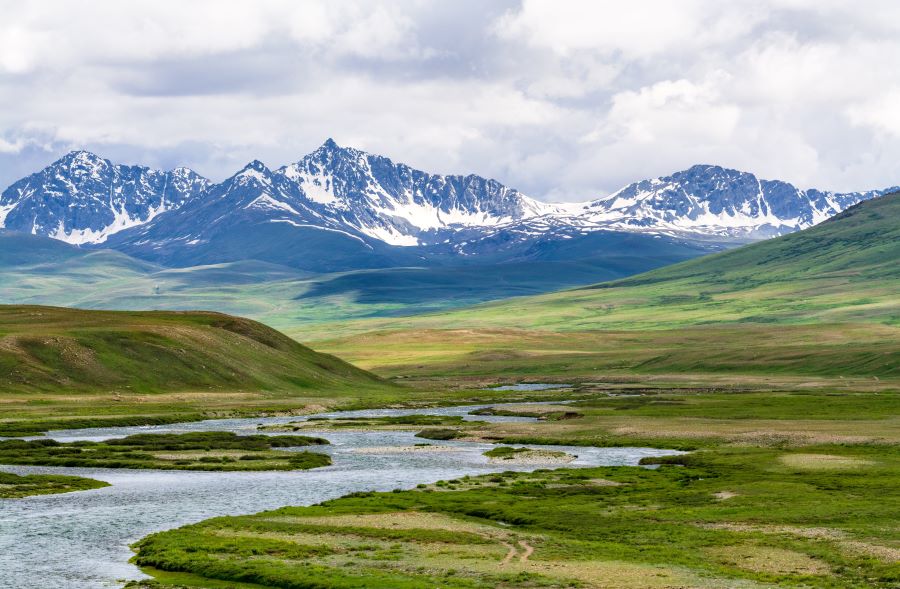
The Basho River flows into the Indus River about 11 km downriver from Kachura. A jeep bridge across the Indus connects the Valley with the main Skardu to Gilgit Road. The jeep road climbs steeply up through villages and wheat fields to Gumcho, a village surrounded by apple, apricot and peach trees festooned with grapevines. Another couple of hours on the jeep road takes you to Turmik, which has a forestry rest house set in a pine forest. The jeep track ends about one kilometer past the rest house. The trek follows the river up through pine forest for at least three or four hours and take you to Bank Pass 4964m. After climbing the pass trek leads down to Parishing Valley and further to Astore valley.
A majestic natural wonder is introduced through a brief overview highlighting its unparalleled significance as a natural barrier between the Indian subcontinent and the Tibetan Plateau. Home to some of the world's highest peaks, including the iconic Nanga Parbat, the Himalayas are a testament to the Earth's grandeur, captivating adventurers and spiritual seekers alike. This mountainous expanse shapes regional climates and fosters unique ecosystems, making it a beacon of natural diversity and awe-inspiring landscapes. Walking the Great Himalayan Trek 1 to 2 weeks, covering approximately almost all Himalayan in Pakistan, with the duration depending on the specific route and transportation methods, ranging from weeks to months.
Weather :
18-day odyssey through Skardu to Diamir. From the enchanting valleys of Kachura to conquering high-altitude passes like Banak Pass, each day promises a blend of natural wonders and cultural immersion. The best time to experience this trek is from June to October, ensuring favorable weather and optimal conditions to witness the Himalayan grandeur at its peak. Unleash the adventurer within, exploring sacred peaks, remote villages, and pristine wilderness in this unforgettable journey through the heart of the world's most iconic mountain range.
Geological Formation Features:
The Himalayas, a geological marvel, owe their formation to the subduction of the Indian tectonic plate beneath the Eurasian Plate. This complex process has given rise to a distinctive west-northwest to east-southeast arc, defining the geographic layout of this awe-inspiring mountain range. The Karakoram and the Hindu Kush border the Himalayas ranges, separated from the Tibetan Plateau by the Indus-Tsangpo Suture, creating a unique and dynamic geological landscape.
Key Peaks and Elevations:
It a crucial to appreciate the awe-inspiring elevations of Earth's highest peaks, with numerous summits exceeding 7,200 meters and including ten of the legendary fourteen 8,000-meter peaks. This unparalleled mountainous terrain contrasts markedly with the highest peak outside Asia, Aconcagua in the Andes, at 6,961 meters. The trek unfolds against this backdrop of majestic heights, providing trekkers with a profound sense of scale and a genuine appreciation for the grandeur of the Himalayas.
Trek Route Details:
With a meticulously planned itinerary spanning 18 days. Commencing in the charming town of Skardu, the journey unfolds through captivating landscapes, culminating at Diamir. Key waypoints include the enchanting Kachura Basho Valley, the lofty Banak Pass, the serene Rupal, the expansive Deosai plateau, the formidable Banak Pass, the culturally rich Tarashing Astore, the awe-inspiring Rupal, and the pinnacle experience of conquering the demanding Banak Peak. Each stage promises a unique blend of natural wonders and cultural encounters, making this traverse an unforgettable Himalayas exploration.
Cultural Significance of the Himalayas:
Extends far beyond their awe-inspiring natural beauty. The Himalayas have profoundly shaped the Indian subcontinent, leaving an indelible mark on its cultural tapestry. In Hinduism and Buddhism, the peaks of the Himalayan range hold sacred importance and are revered as divine entities. These mountains are not merely geographical wonders but integral spiritual landmarks, fostering a deep connection between the people of the subcontinent and the mystique of the Himalayas.
Himalayan Inhabitants and Countries:
Home to a population of 52.7 million, serves as a cultural and geographical crossroads. Spanning five countries—Nepal, India, Bhutan, China, and Pakistan—the Himalayas showcase a tapestry of diverse communities, each contributing to the rich cultural fabric of the region. The inhabitants of this vast mountainous expanse share a deep connection with the land, and their unique traditions are shaped by the challenges and beauty of life at high altitudes. This cross-border diversity makes the Himalayan region a geological wonder and a melting pot of vibrant cultures.
Major Rivers Originating from the Himalayas:
The Himalayas serve as the cradle of major rivers that shape the landscape and livelihoods of the region. The mighty Indus, Ganges, and Tsangpo-Brahmaputra emerge, carving their paths through the diverse terrains below. These iconic rivers converge to form a vast combined drainage basin, home to approximately 600 million people. These waterways, the lifeblood of the Himalayan region, play a pivotal role in sustaining ecosystems and supporting the communities that thrive along their banks.
Climate Influence of the Himalayas:
Is a fascinating phenomenon characterized by examining its impact on regional climate patterns. Situated as a formidable barrier, the Himalayas are pivotal in directing monsoon rains onto the Indian plain, ensuring vital water resources for the subcontinent. Simultaneously, this mountain range acts as a natural barrier, limiting rainfall on the Tibetan plateau and creating a distinct climatic dichotomy that profoundly shapes the weather patterns of the surrounding regions.
Overview of the Trekking Experience:
Provides a comprehensive insight into the Himalayan Traverse Trek Adventure. This journey spans 8 to 10 days, covering a diverse and challenging terrain from Skardu to Diamir. Trekking enthusiasts can anticipate a total distance traversed, witnessing notable landmarks such as Basho Valley, Banak Pass, Deosai , and the iconic Rupal Valley. This detailed overview ensures adventurers are well-prepared for the physical and cultural richness that awaits at every stage of this immersive trek.
Climatic Considerations for the Trek:
Navigating the Himalayan Traverse Trek involves traversing diverse climates, demanding strategic planning. Practical advice and essential tips are paramount for trekkers, ensuring preparedness for the varied weather conditions along the route. Understanding seasonal variations is key to a successful trek, as each phase presents distinct challenges and impacts the overall trekking experience. From icy passes to verdant valleys, adapting to the ever-changing climate enhances safety. It maximizes the enjoyment of this extraordinary adventure.
Cultural and Religious Exploration during the Trek:
The Himalayan Traverse, gaining insights into the region's rich cultural tapestry. Encounter the sacred sites and immerse in cultural practices along the trek, connecting with the spiritual essence that defines the Himalayan landscape. This exploration adds a transformative layer to the journey, offering trekkers a deeper understanding of the indigenous traditions that have shaped the Himalayas for centuries.
Conclusion:
The Himalayan Trek Adventure encapsulates an 18-day odyssey through the Himalayas, from Skardu to Rupal. This expedition unveils geological marvels, cultural richness, and panoramic landscapes, offering trekkers an immersive encounter with the world's highest peaks, including Mount Everest. The trek's dynamic route spans from Basho Valley to Rupal, each presenting diverse challenges and cultural revelations. As the Himalayas influence regional climate and shape the cultures of millions, this journey becomes a profound exploration of nature's grandeur. Sacred peaks revered in Hinduism and Buddhism add a spiritual dimension to the adventure, making the Himalayan Traverse Trek a transformative and unforgettable experience.
Tour Highlights Detail:
| Day 1 | Arrival Islamabad wait at airport for your flight to Skardu (1,500m) and afternoon Skardu Valley sightseeing. | Concordia Hotel | |
| Day 2 | Drive to Kachura Gumcho and organize porters for your next day trek with short walk. | Short walk | Camping |
| Day 3 | Trek to Turmik walk along the Basho River and continue to Banak Pass base camp. | 6 to 7 hours | Camping |
| Day 4 | Climb the Banak Pass 4964m after crossing it camp along Parishing River down to Parishing village | 7 hours | Camping |
| Day 5 | Trek to Astore (2350m) and Jeep to Tarashing (2920m) | 5 hours | Camping |
| Day 6 | Trek via Rupal (3,160m) to Herligkoffer Base Camp (3,600m) | 6 hours | Camping |
| Day 7 | Walk around (3,600m). and return back to Tarashing | 4 hours | Camping |
| Day 8 | Tarashing to Chilas and continue to Islamabad via Babusar Pass and in the mid night transfer to airport for your return flight back home. | 12 hours | No Hotel |